
Lifestyle
A life that starts to feel like your own.
Documented stories about everyday, family and cultural life across Spain. They are editorial perspectives, not a closed list of destinations or personal recommendations.
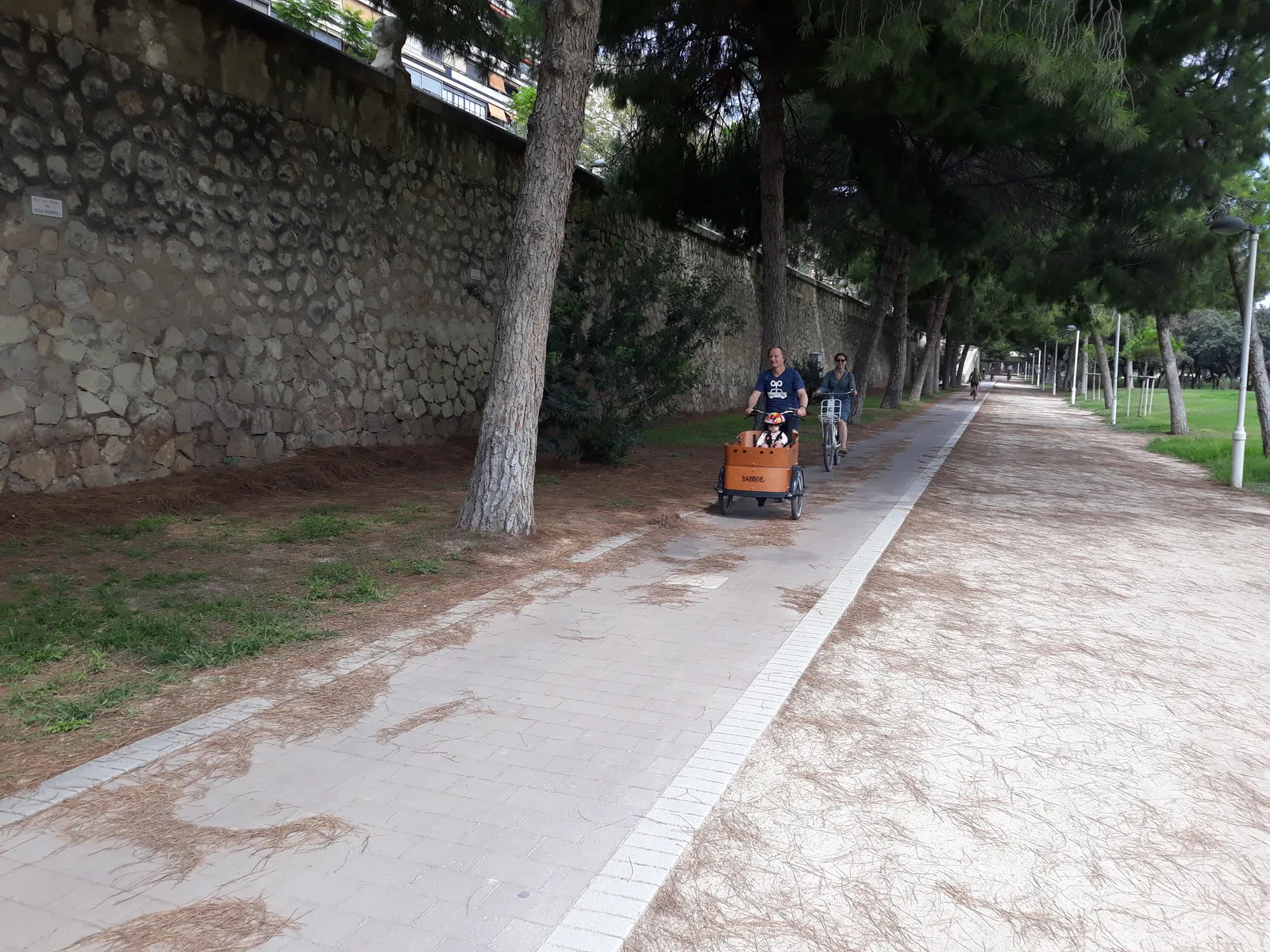
Living in Valencia: the city that turned its river into a nine-kilometre park
Some cities are crossed from traffic light to traffic light. In Valencia, the former Turia riverbed lets you cross much of the city on foot, by bike or at a run among trees and gardens.
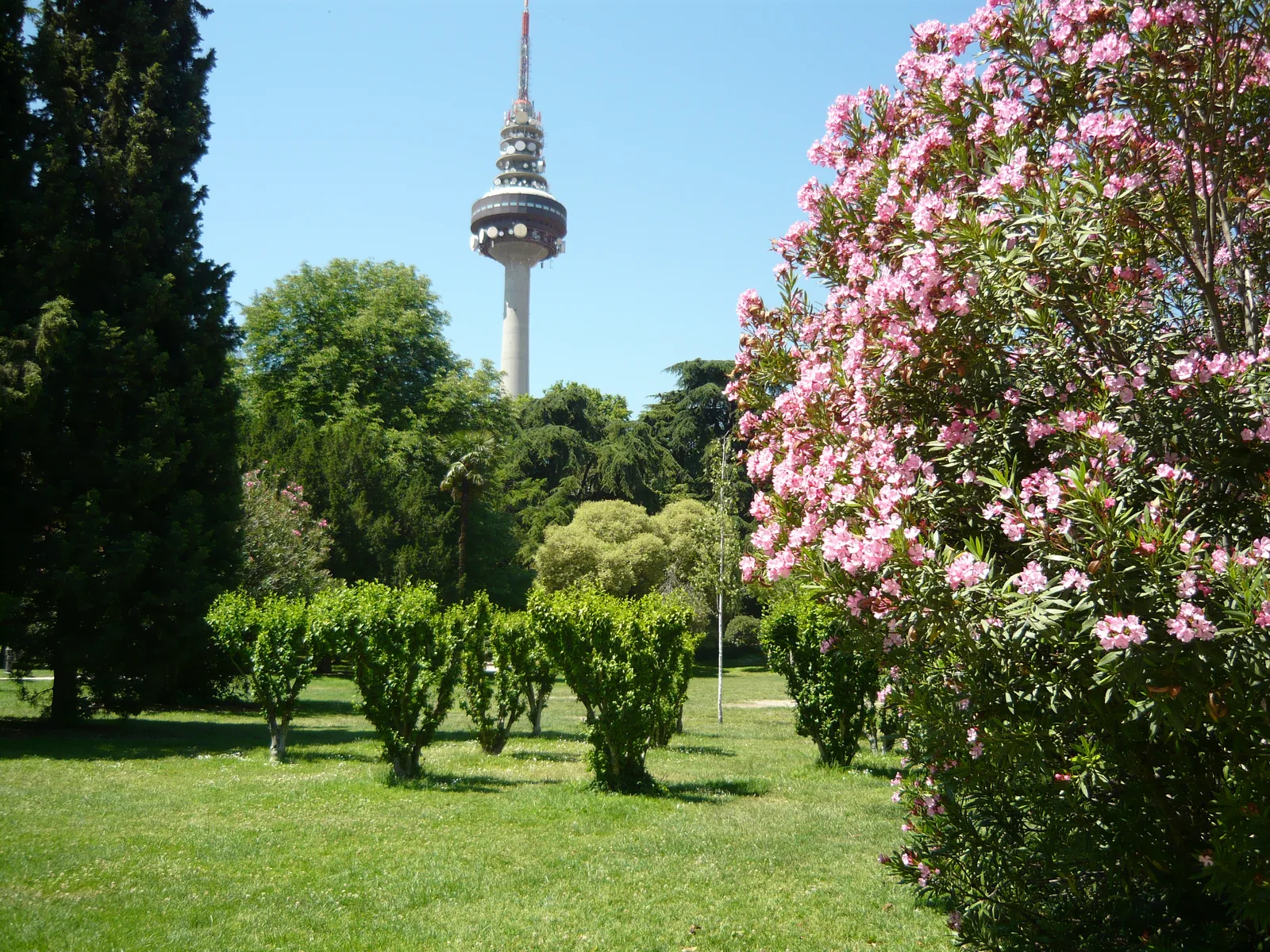
A home is also chosen for what lies beyond it
When imagining family life in Madrid, make room for green space. La Quinta de la Fuente del Berro, listed in the municipal catalogue of historic parks and gardens of interest, invites you to consider more than the square metres of a home: which places you want to make part of your week. Before choosing an area, consider how that setting, school journeys and work fit into your real life.
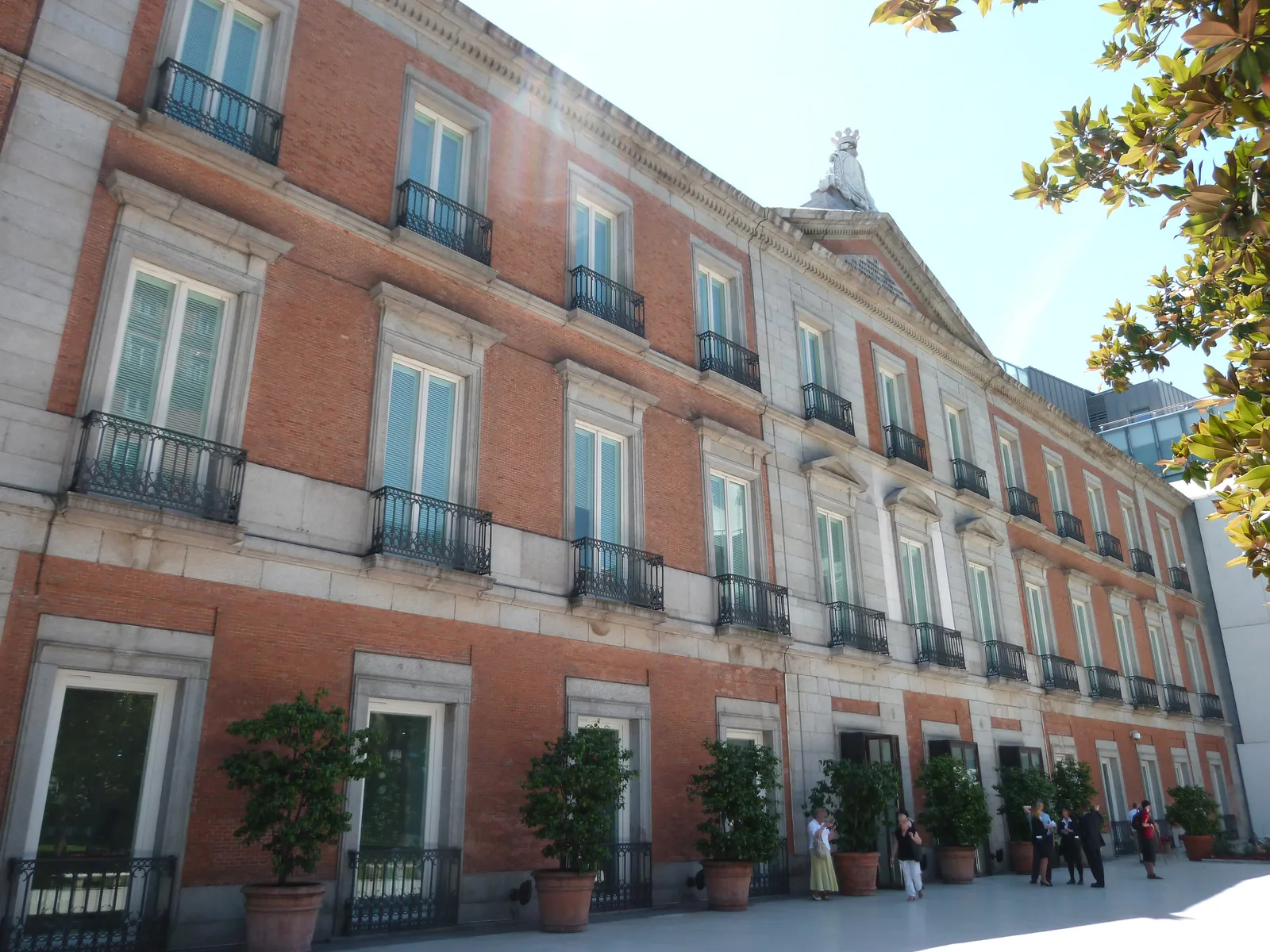
The first painting you will remember together
A morning at a museum can begin with a question: “What do you see here?”. The Thyssen offers participatory visits and creative activities through which families can discover its collection. Choose the option that suits your children’s ages and leave time to talk afterwards. The plan does not need to cover everything: one work that sparks your curiosity and makes you want to return may be enough.
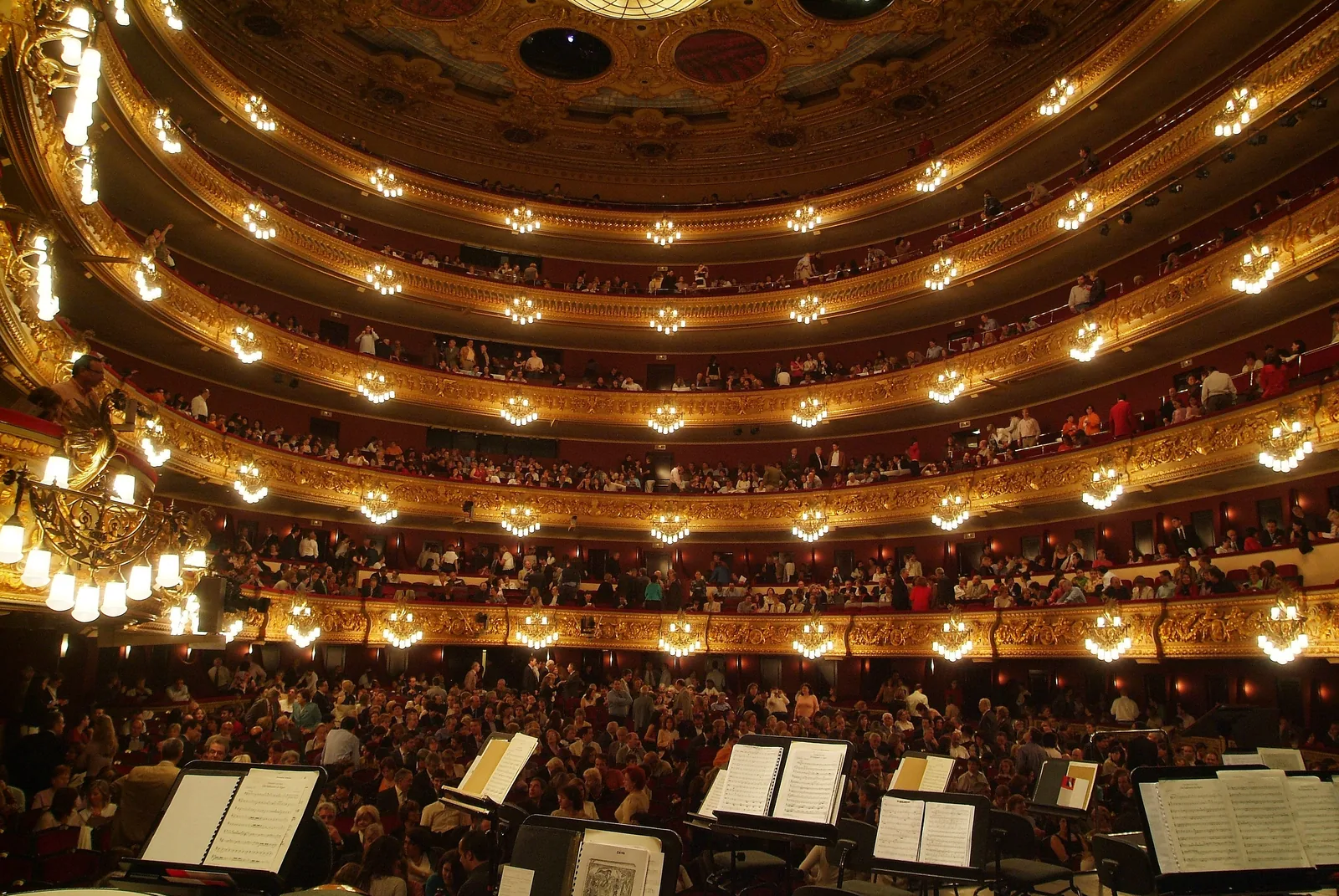
A date with your new city
If opera is one of your interests, settling in Barcelona may be an opportunity to turn a visit to the Liceu into a habit. Its season-ticket options offer different ways to follow the season. Start with the works that appeal to you and the dates that fit your diary. Returning to the same stage can bring cultural continuity to a city you are still discovering.
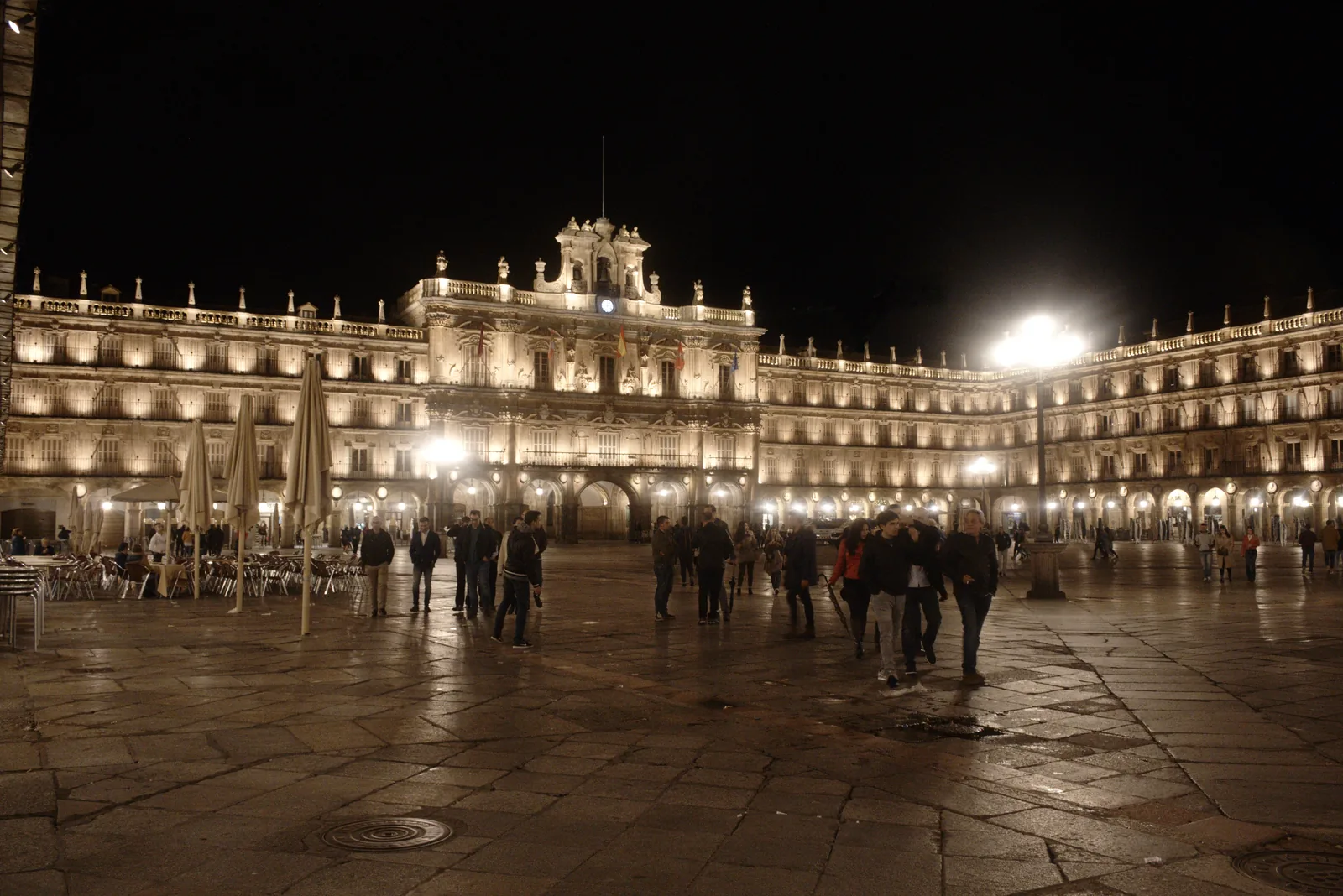
Why evenings last longer in Spain
If lunch at two and dinner around nine catch you by surprise, you are not alone: Spain eats roughly an hour later than its neighbours. The siesta is not the reason; more than half of Spaniards never take one. Part of the answer lies in the clock. Mainland Spain runs on Central European Time, even though its geography lines it up with Greenwich. The result is evenings when the sun sets later, and they draw people outdoors: a stroll before dinner, the park after work or school, the shopping at the neighbourhood market. The table matters too. UNESCO, which recognises the Mediterranean diet as intangible cultural heritage, counts eating together among its foundations.